Book soon Openers · Mimico
Belt-Drive Opener Repair in Mimico
It is minus twenty in the detached garage and the door climbs in jerks, the belt stiff as a board. By the afternoon, when the sun has been on the door, it runs almost normally again.
Call now · open 24/7(289) 805-6879Right now
Before the door is looked at
Call (289) 805-6879, open 24/7.
Pull the release with the door fully closed whenever possible, and keep the opening clear as you do. Once the trolley lets go, the door is held by its springs alone, and a closed door can still shift unexpectedly.
Never raise the force setting to push a door through a frozen seal, a stiff track or a tired spring; force is set as low as reliably closes the door, and the reason the door is hard to move is fixed instead.
In plain words
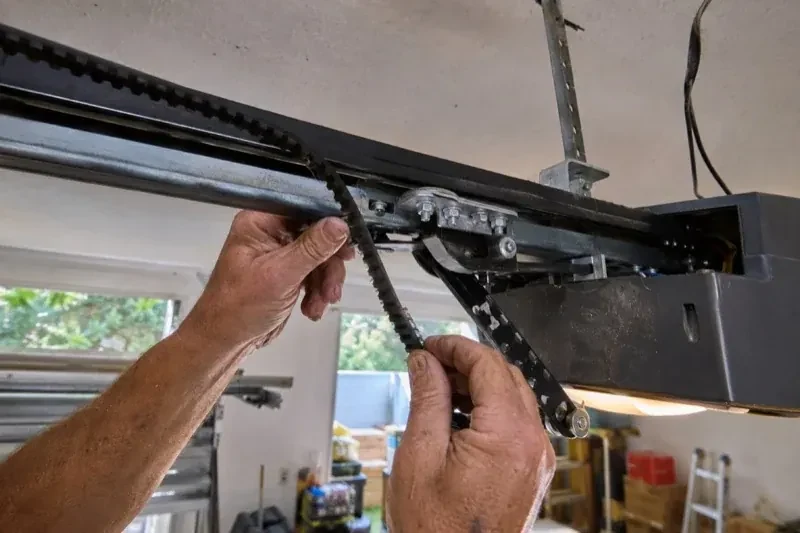
The most common belt-drive repair is the simplest: the belt has stretched over thousands of cycles and hangs slack under the rail. On its way up it slaps the rail and skips a tooth or two on the sprocket. Tension lives at the trolley, where a threaded shaft, a spring and a square nut set how much the belt is pulled taut. The technician sets that spring to the maker's stated length, confirms a little give at mid-span, then runs the door and listens. If the belt has stretched past what the adjuster allows, or the rubber has aged, a new belt goes in instead.
How the visit goesThere is a new squeal from the front of the rail, up near the header, on every cycle. The belt has started tracking to one side and its edge is fuzzy where it has been rubbing.
Belt-Drive Opener Repair · Mimico
How the visit goes
- 1
What the operator thinks it is doing
Before any part is changed, the technician runs the door from the wall control and watches what the operator thinks it is doing. Does it stop short of the floor and reverse, or drive the trolley into the stop bolt? Does the top section stop clear of the header bracket? Does the door come back up on meeting a 2x4 laid flat and when the beam near the floor is broken? The answers separate a drive fault from a settings fault, and settings will be relearned once the belt work is done anyway. The wall control height, the photo-eye height and where the red handle hangs are noted at the same time.
- 2
Relearning travel and force, then proving them
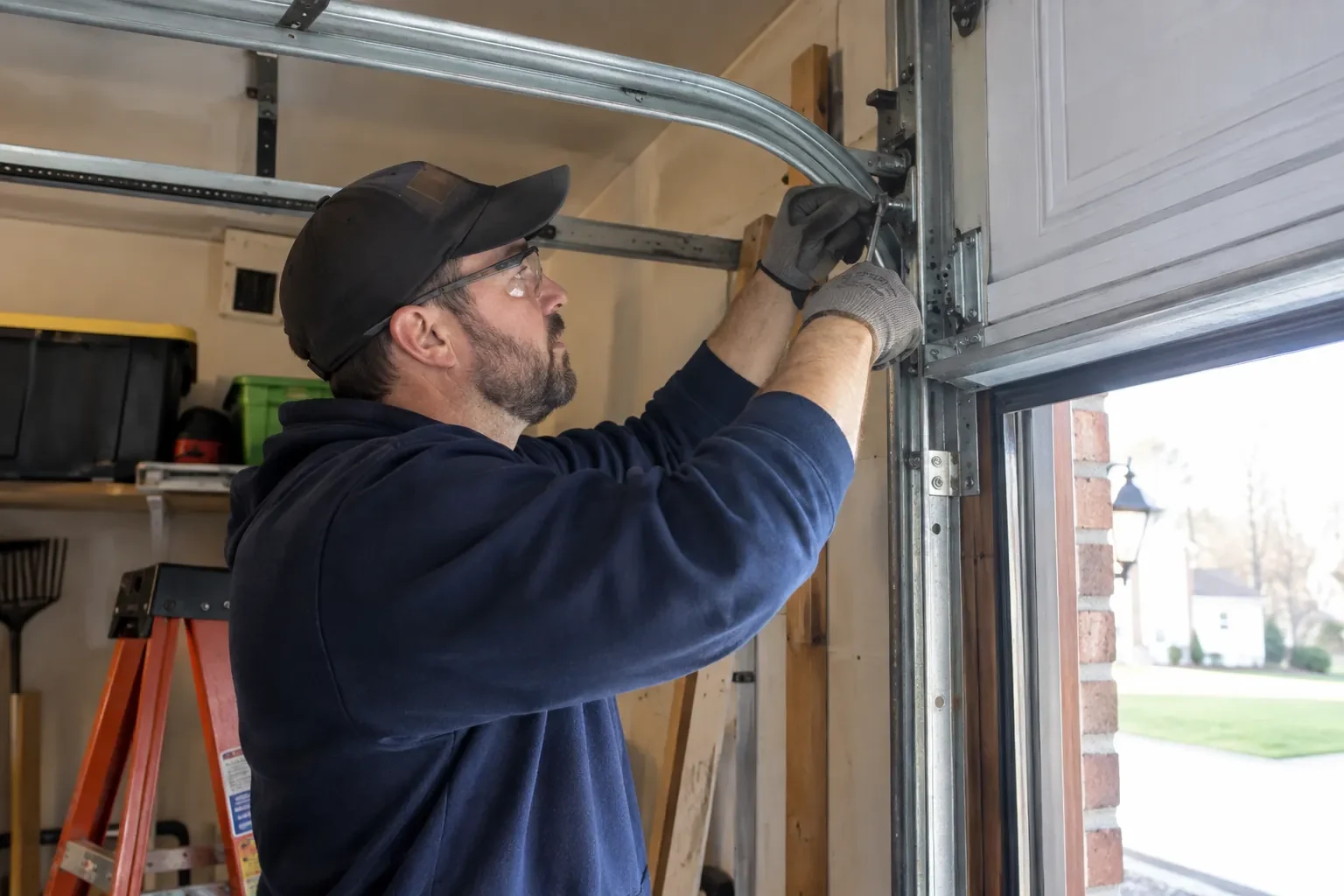
With the drive rebuilt and the door reconnected, the operator is taught its door again. Newer units run a learn cycle that records the full travel and the effort the door needs; older ones have limit screws and force dials set by hand. The close limit is set so the bottom seal meets the floor without the belt straining, and the open limit so the top section stops short of the header. Then the tests: a 2x4 laid flat under the door must send it back up on contact, and an object passed through the photo-eye beam must reverse it while closing. Any hesitation is adjusted and the tests are run again.
- 3
How to check the belt by eye
You leave knowing what a healthy belt looks like from the garage floor. It runs level, just above or inside the rail, with no visible sag between the motor head and the header. Its teeth are even along the whole length and its edges are square, not fuzzy. Every few months, with the door closed, glance up and along the rail; then open the door and look again, since sag shows on the return run. If the belt begins to hang below the rail, slap on the way up or click at the same point each cycle, that is the moment to call, while it is a tension adjustment rather than a stalled door.
In the van
- Drive gear and sprocket kit
- Inner and outer trolley
- Rail joint brackets and stop bolts
- Photo-eye sensor pair
- Idler pulley and bearing
What affects the quote
- 1
Trolley condition
A trolley that releases and re-engages cleanly stays. One that is cracked, stuck or loose on the rail is replaced during the same visit and listed as its own part.
- 2
Door work found during the balance test
If the door is heavy in the hands when lifted with the operator released, the springs, cables or rollers behind that are priced as their own job, separate from the belt.
- 3
Access to the rail
Shelving, a car lift or a loft beside the rail, or a garage that is full on the day, mean more careful handling along the belt's length, and the technician allows for it once the space is seen.
Same fees day, night or weekend.
Belt-Drive Opener Repair: questions
Is a belt drive harder to repair than a chain drive?
No, just different. The belt is lighter, runs dry and is replaced as one length with a clip, where a chain has links and takes grease. The tensioning at the trolley works the same way on both, and the sprocket, idler and trolley are similar parts. What a belt drive rewards is care with tension and a straight rail, because it is chosen for quiet and shows any fault as noise.
What are the plastic shavings under the motor head?
They are from the drive gear inside the head unit, which is stripping its teeth. On a belt drive the gear turns the sprocket that moves the belt, so a stripped gear leaves the motor humming and the belt still. The gear-and-sprocket kit is replaced as a set, the shaft's end play is checked, and the belt is refitted and phased.
How do I know the belt is the problem and not something else?
Look and listen. A belt that hangs below the rail, slaps on the way up or clicks at the same point each cycle is a belt fault. A motor that runs with the door still might be a broken belt clip, a stripped gear or a belt off the sprocket. A door that is heavy when you lift it by hand with the operator released is a spring matter. The technician confirms which before any part is ordered.
Openers & Access
Bigger photo, sooner job: Emergency Book soon Plan ahead
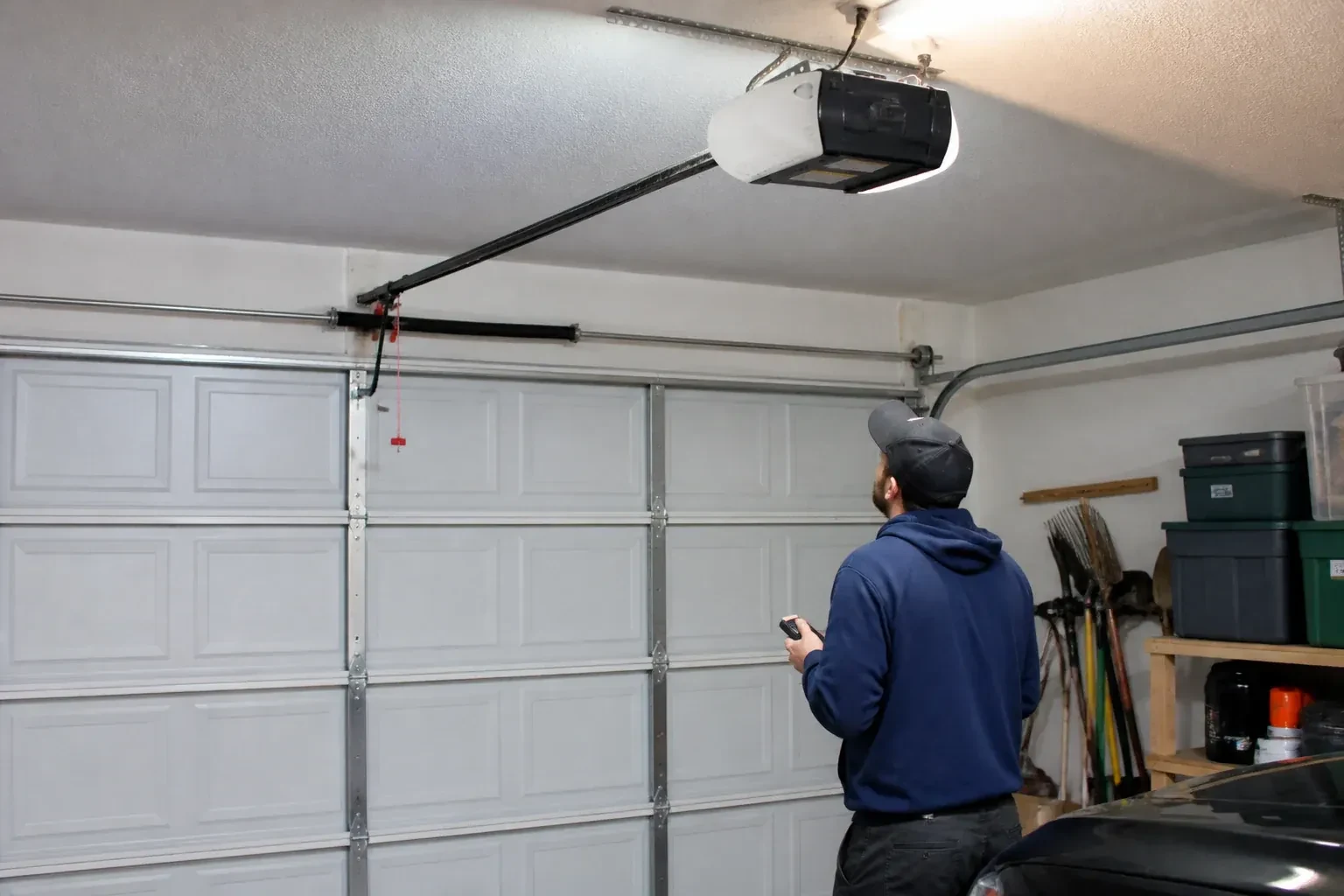 Book soonGarage Door Opener Diagnosis and RepairYou press the remote from the driveway and hear the motor hum overhead, a steady drone with no movement behind it.
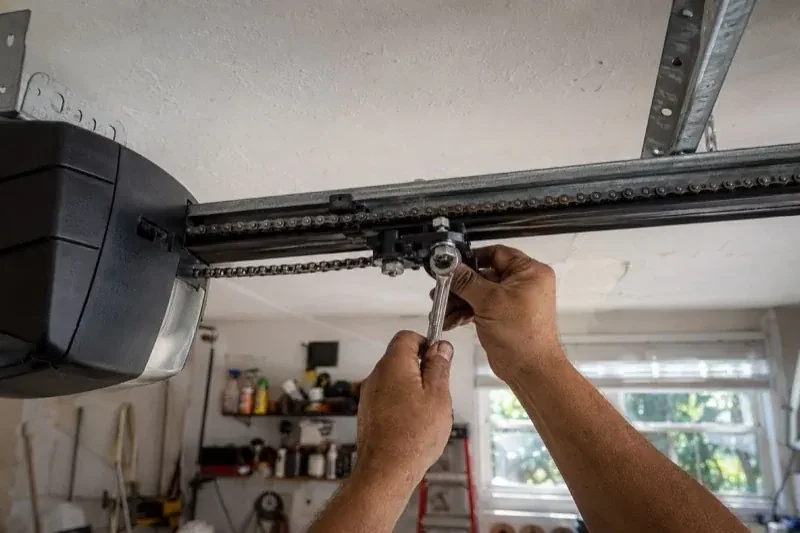 Book soonChain-Drive Opener RepairThe chain in the detached garage went orange with rust over the winter, the links are stiff, and the opener strains and groans to…
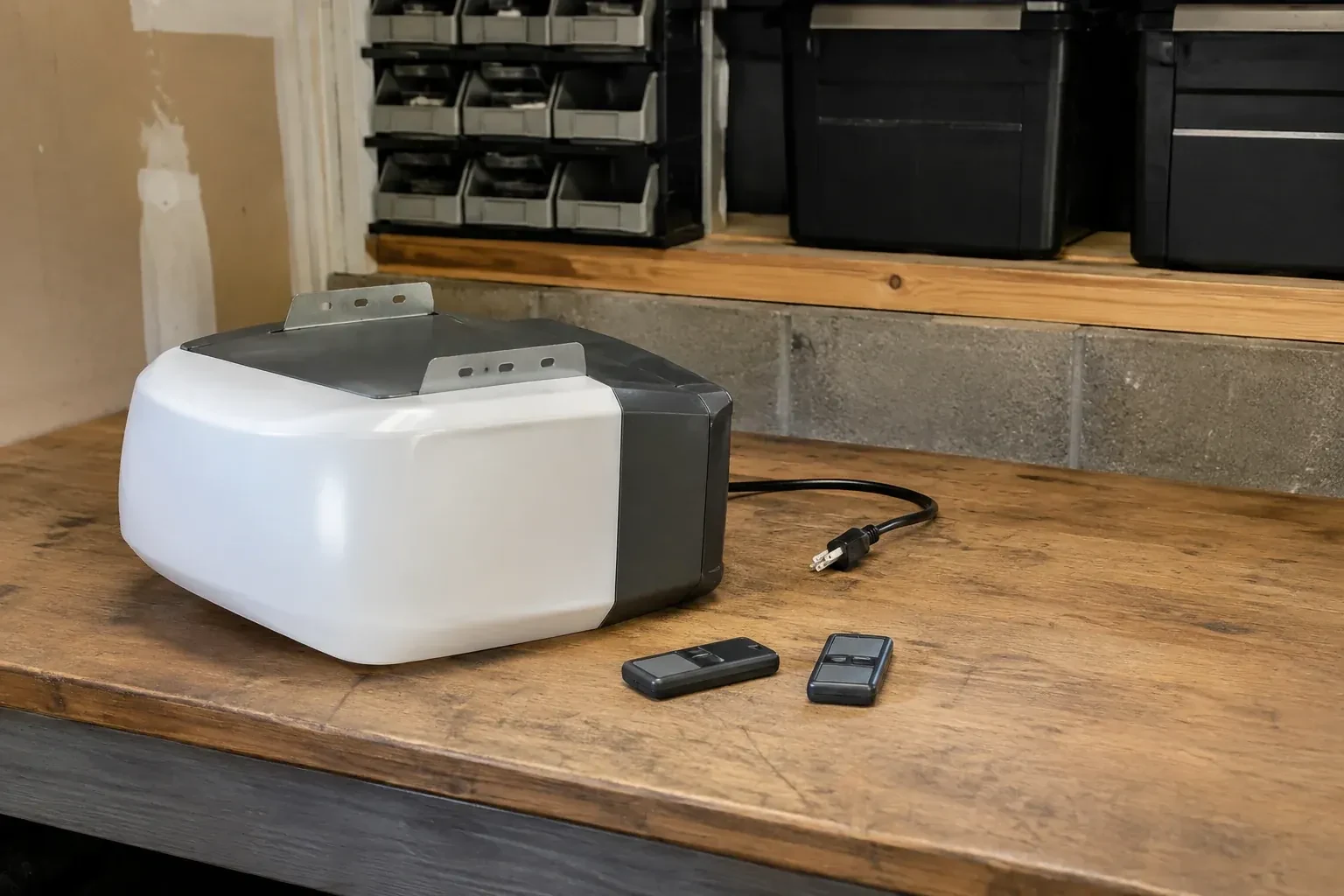 Plan aheadGarage Door Opener Replacement
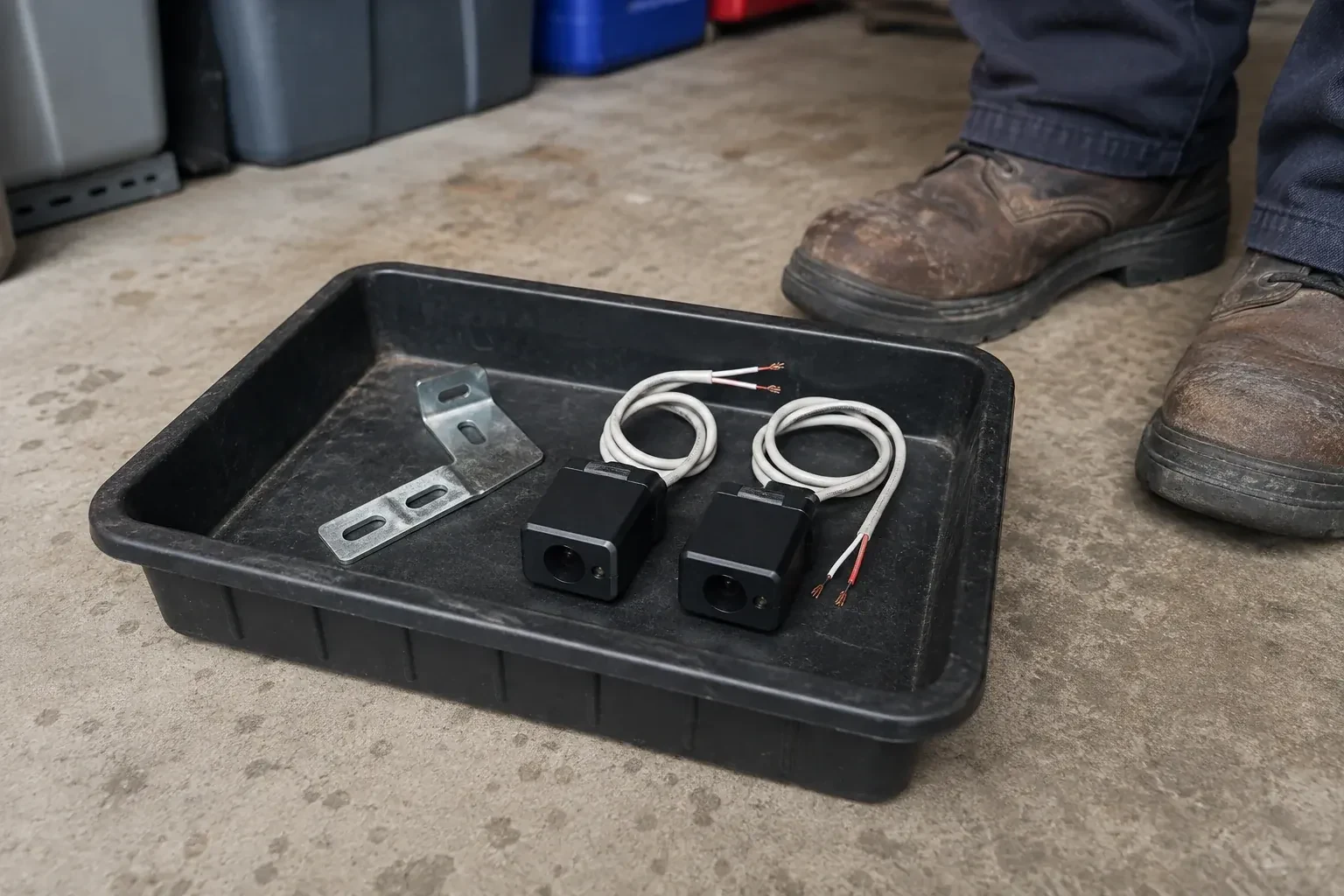 Book soonPhoto-Eye Sensor Alignment or ReplacementSince shelving went up along the garage wall, the door will not close and both sensor lights are dead.
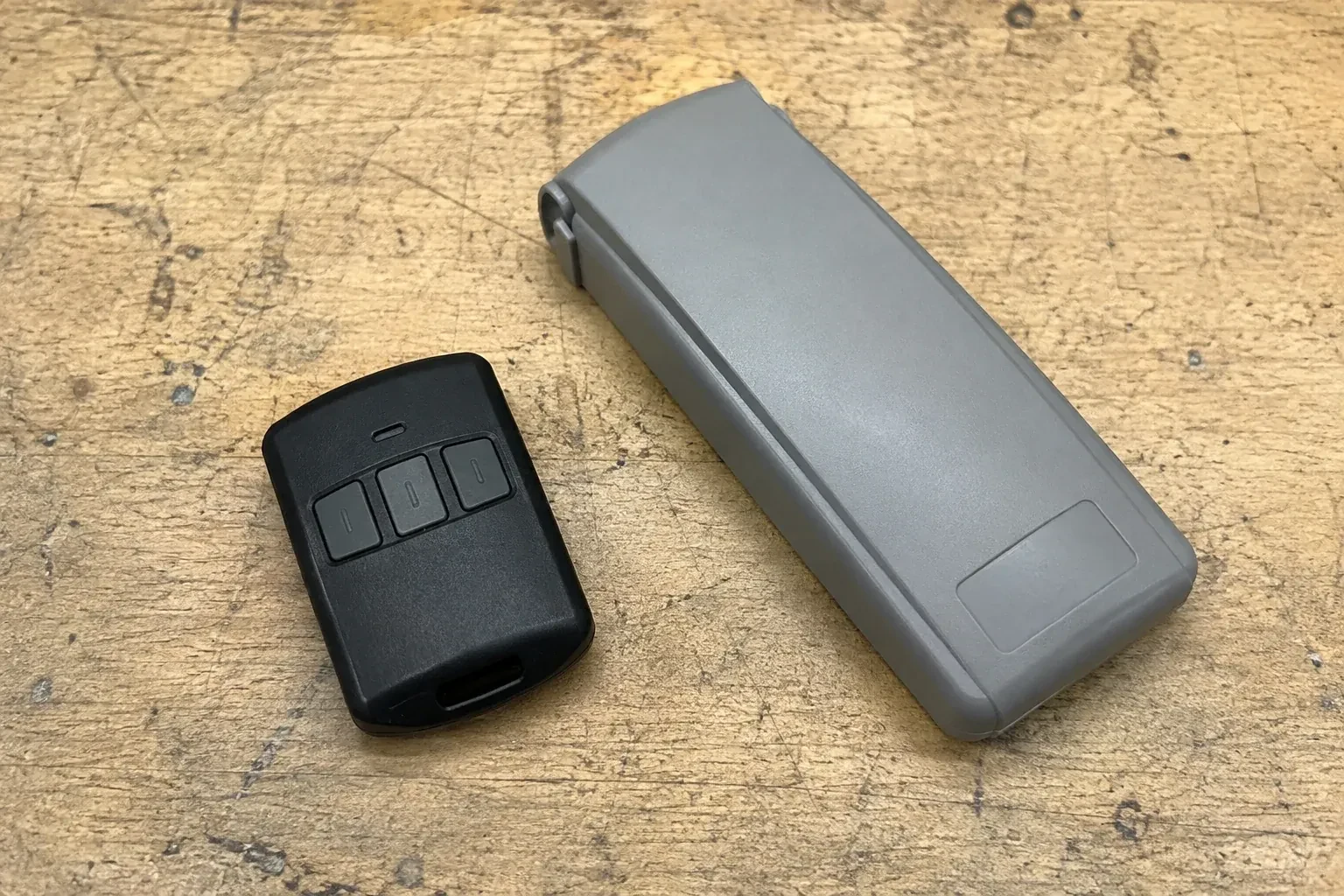 Plan aheadGarage Door Remote and Keypad Programming
Belt-Drive Opener Repair near you
Toronto, Ontario
Mimico information
- Town
- Mimico, Toronto, Ontario
- In business
- 15 years
- Hours
- Open 24/7 · nights, weekends and holidays, same fees
- Phone
- (289) 805-6879
- Visits
- On-site assessment preferred. Request a visit or call.
What the census means at the door
58%
Older homes. About 58% of homes in Toronto were built in 1980 or earlier, according to the 2021 Census.
In a mature neighbourhood the garage door is often the single largest feature of the front elevation, so keeping the original look matters. Modern insulated doors come in raised-panel and carriage styles that echo the older designs while running on today's torsion hardware.
23%
Single-detached houses make up about 23% of homes in Toronto (2021 Census).
Where housing is mostly attached, the common garage entrance may be a rolling grille or heavy sectional door with access by fob or remote, managed by the property. We service these operators, safety edges and photo-eyes, and coordinate with management so residents keep their access throughout.
Open 24/7
Request a visit
It is minus twenty in the detached garage and the door climbs in jerks, the belt stiff as a board.
Call now · open 24/7(289) 805-6879- On-site assessment preferred
- Same fees day, night or weekend
- 15 years in business