Book soon New Doors · Toronto
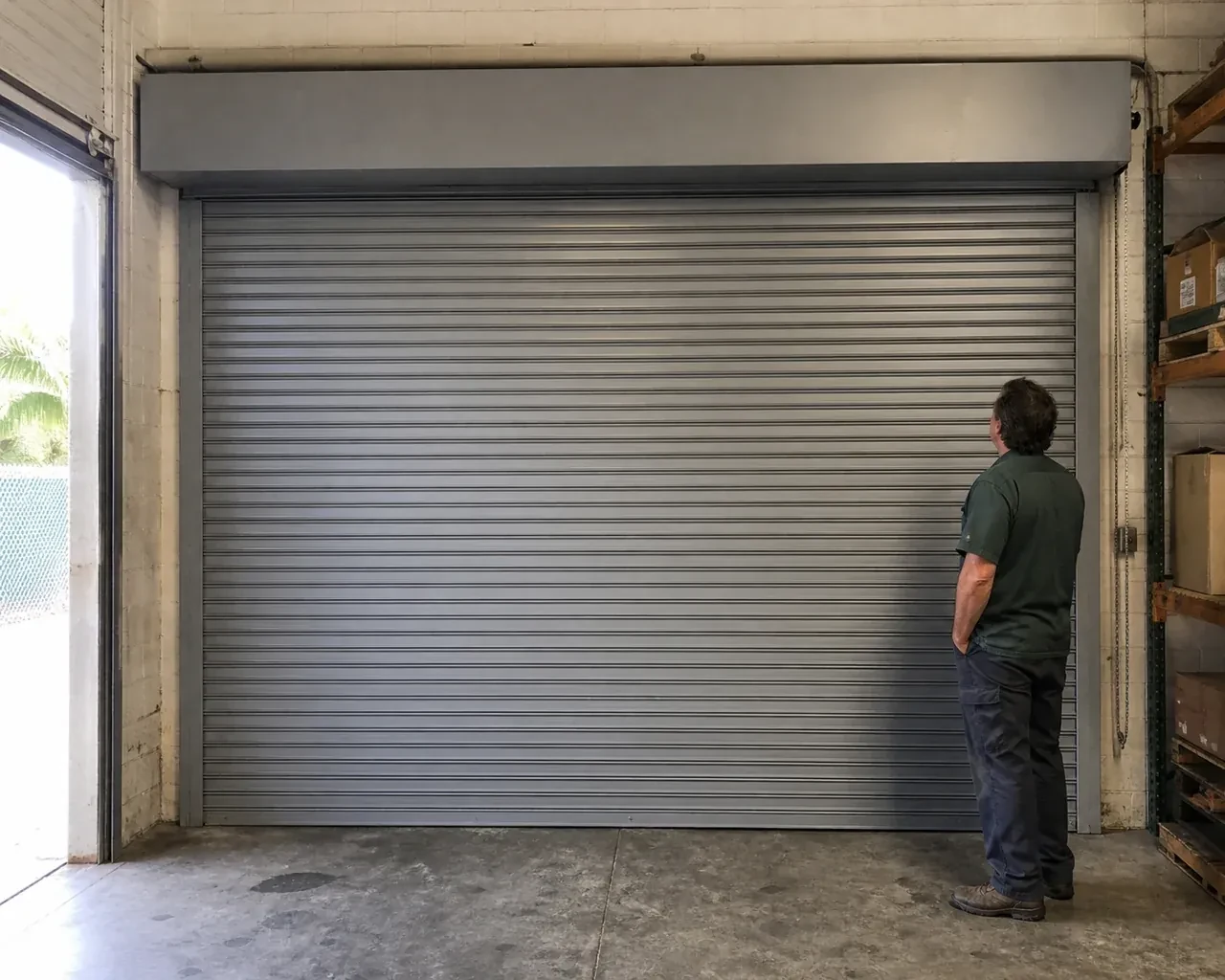
Commercial Rolling Door Repair in Toronto
A metallic clatter now comes from inside the hood whenever the curtain coils. The sound follows each revolution, the travel has become jerky, and fine metal dust is visible near one bracket and bearing.
Call now · open 24/7(289) 805-6879In plain words
The useful decision is not simply repair versus replacement; it is which path fits the identified curtain, structure, duty and operating system. Localised slat, guide, seal, chain or control faults often support a component repair. Widespread curtain distortion, repeated impacts, worn major assemblies or an operator that no longer suits the door's use may justify a broader plan. Measurements, model information, fire-rating status and the condition of connected parts make that choice concrete. The quote can then separate the current authorised work from optional improvements such as added vehicle detection, guarding or revised controls.
How the visit goesCold-weather moisture has frozen the bottom seal to the sill, and salty grit has collected along the guide entrances. The door chatters during its first cycle and leaves a visible gap after it reaches the closed limit.
Commercial Rolling Door Repair · Toronto
How the visit goes
- 1
Start with the operating story
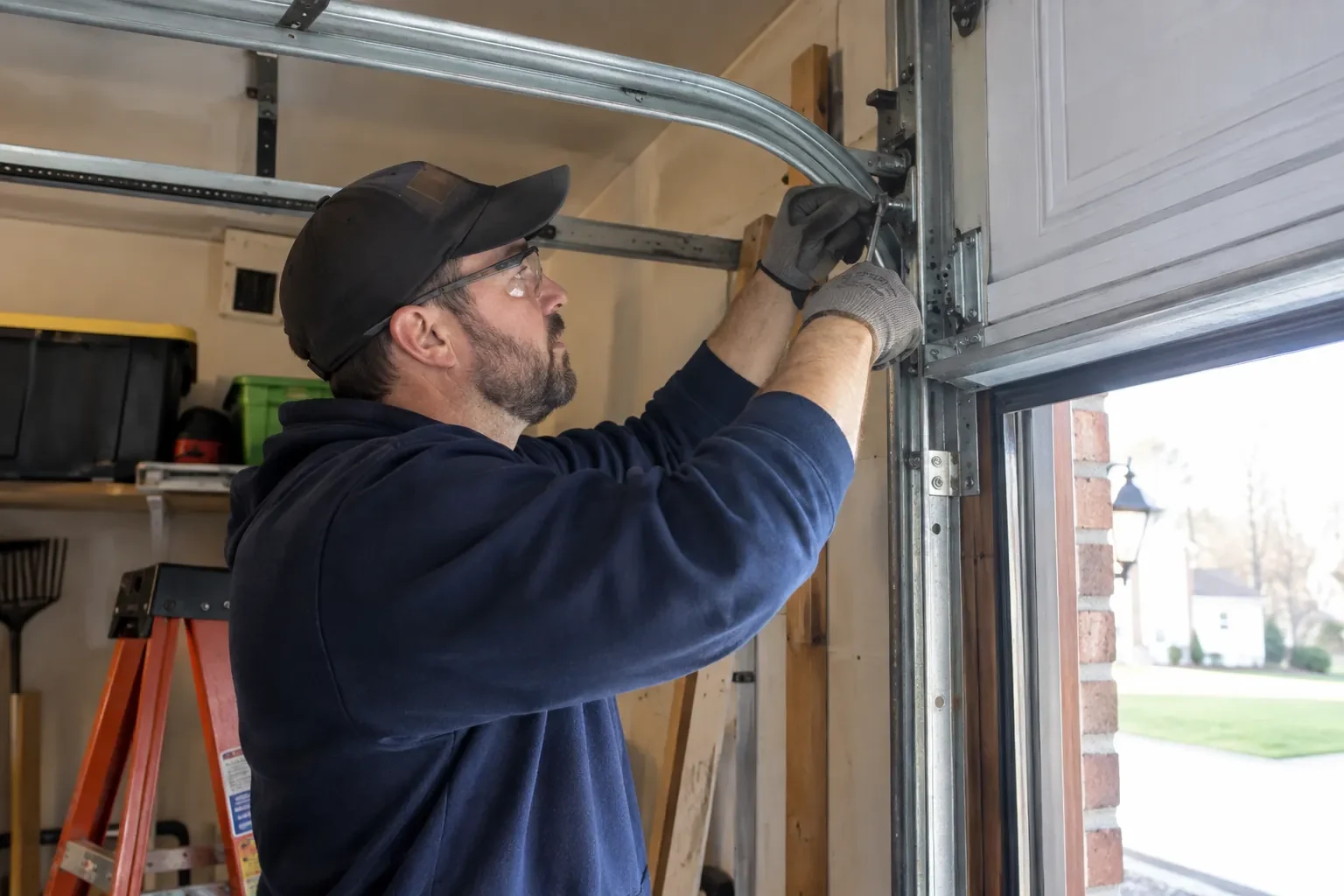
The first clues come from the people who use the opening. The technician asks whether the change appeared after an impact, power interruption, cold night or gradual increase in noise; where the curtain stops; which control was used; and how many cycles the door normally sees. Staff can also point out a lock that sticks, a manual chain that has become heavy or a sensor that needs repeated cleaning. That history narrows the inspection before any cycling begins and distinguishes a one-time obstruction from wear that has been developing across the whole assembly.
- 2
Restore the bottom bar and closure line
The bottom of the door determines how it meets the floor, carries locks and engages a sensing edge when fitted. A twisted bar is straightened or renewed within the agreed scope, damaged retainers and astragal are replaced, and slide bolts or cylinder-lock parts are aligned only after the curtain hangs square. For a powered assembly, lock interlocks are checked so an engaged lock and an operator command cannot work against each other. The close limit is then set to bring the seal into suitable contact without crushing it, leaving the doorway even and ready for a clear locking test.
- 3
Better contact at the weather line
Where sealing work was included, the renewed astragal follows the sill with consistent contact and the curtain closes without pressing the seal flat. Staff can preserve it by clearing abrasive grit, packaging and frozen buildup before cycling the door. Drainage near the opening should direct meltwater away from the bottom bar, and sensor faces benefit from a gentle wipe after salt spray. The service notes identify the lubricant and cleaning approach suited to the installed product. These routines support smooth winter movement and help the lower curtain, guides and fasteners remain easy to inspect.
In the van
- Sensing edge and controls
- Windlocks and curtain fasteners
- Curtain slats and endlocks
- Roller chain and sprockets
- Barrel and headplate brackets
What affects the quote
- 1
Protective device scope
Photoelectric sensors, sensing edges, light arrays and vehicle-detection accessories serve defined roles. Quantity, mounting, wiring condition and operator requirements determine repair and test work.
- 2
Testing and documentation
Normal cycles, manual operation, protective responses, fire-door procedures and facility records vary by assembly. The proposal can name the demonstrations, measurements and written results included at handover.
- 3
Traffic-control requirements
Loading schedules, pedestrian routes, lift-truck lanes and access to both faces determine how the work zone is maintained. Facility support and alternate routing form part of the service plan.
Same fees day, night or weekend.
Commercial Rolling Door Repair: questions
Can individual bent slats be replaced?
Many interlocking steel curtains allow a damaged group of slats to be removed and renewed with compatible pieces. The technician also checks neighbouring joints, endlocks, guides and the coil because an impact can spread force beyond the visible dent. Curtain material, profile, gauge, finish and fire-rating status all influence whether sectional repair is suitable.
Can guide damage be straightened instead of replaced?
Some local bends can be corrected when the guide retains its strength, fastening points and required profile. Creased, torn, heavily corroded or repeatedly struck sections may call for compatible replacement. The choice also depends on guide gap, endlock or windlock arrangement, mounting construction and whether the door is part of a labelled fire-protection assembly.
How are salt and winter moisture handled?
The lower guides, sill, fasteners, bottom seal and sensor faces are checked for ice, grit and corrosion. Buildup is cleared with methods suited to the material, drainage issues are noted and damaged sealing parts can be renewed within scope. The door is tested after cleaning because cold-weather resistance can exist alongside an alignment or balance problem.
Commercial Rolling Door Repair near you
Toronto, Ontario
Toronto information
- Town
- Toronto, Ontario
- In business
- 15 years
- Hours
- Open 24/7 · nights, weekends and holidays, same fees
- Phone
- (289) 805-6879
- Visits
- On-site assessment preferred. Request a visit or call.
What the census means at the door
58%
Older homes. About 58% of homes in Toronto were built in 1980 or earlier, according to the 2021 Census.
Extension springs are common on older doors, and they should carry a safety cable through the middle so a broken spring is held rather than flung. Adding those cables is a small job the technician checks for and offers on any older door he services.
23%
Single-detached houses make up about 23% of homes in Toronto (2021 Census).
Townhouse rows generally have a narrow single door on each unit, with shared walls on both sides. Noise from a chain opener or dry rollers carries straight into the neighbour's home, so quiet belt-drive openers and nylon rollers are a popular and considerate choice here.
Open 24/7
Request a visit
A metallic clatter now comes from inside the hood whenever the curtain coils.
Call now · open 24/7(289) 805-6879- On-site assessment preferred
- Same fees day, night or weekend
- 15 years in business